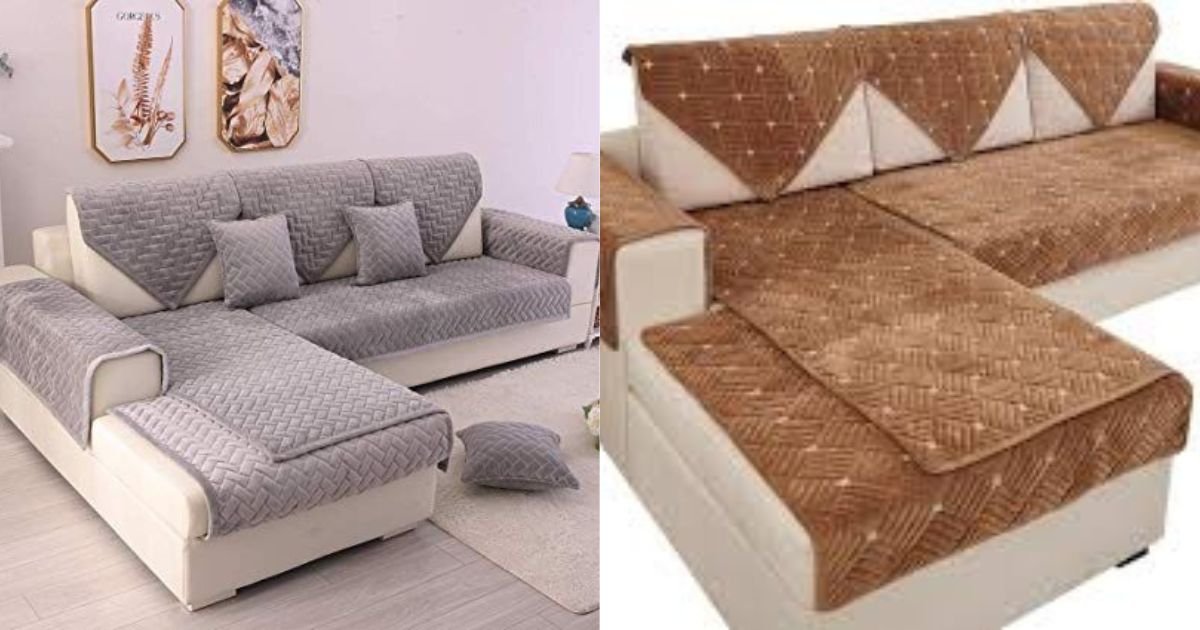
Nylon fabric is a strong, synthesized, and polyamide fiber based textile which is a biproduct of petrochemicals. It was world’s first commercially succesful synthetic fiber which very quickly gained commercial success. This fabric is now widely used in clothing, upholstery, and in couch covers.
Its durability, resistance abraison and moisture makes it ideal choice for sports wear, luggage and furniture upholstery. Here in this guide, we will discuss the detail of key characteristics, features, specially according to upholstery purposes for better understanding and ease of choice.
Key Features Of Nylon Fabric
Long Last Fiber & Durability
As nylon is a synthetic fiber based textlile, it has a strong core for strength to weight ratio. Also, this fiber is highly resistant to wear rubbing and wear and tear which ultimately makes this fabric long lasting and durable.
Ideal For Form-Fitting Wear
Nylon has good memory stretch, which mean its elasticity and stretch recovery is strong. It retains its shape easily after repeated use and wash. This is a commercial demand for form fitting wear or sports wear, and nylong does fit the standards.
Resistance Against Moisture
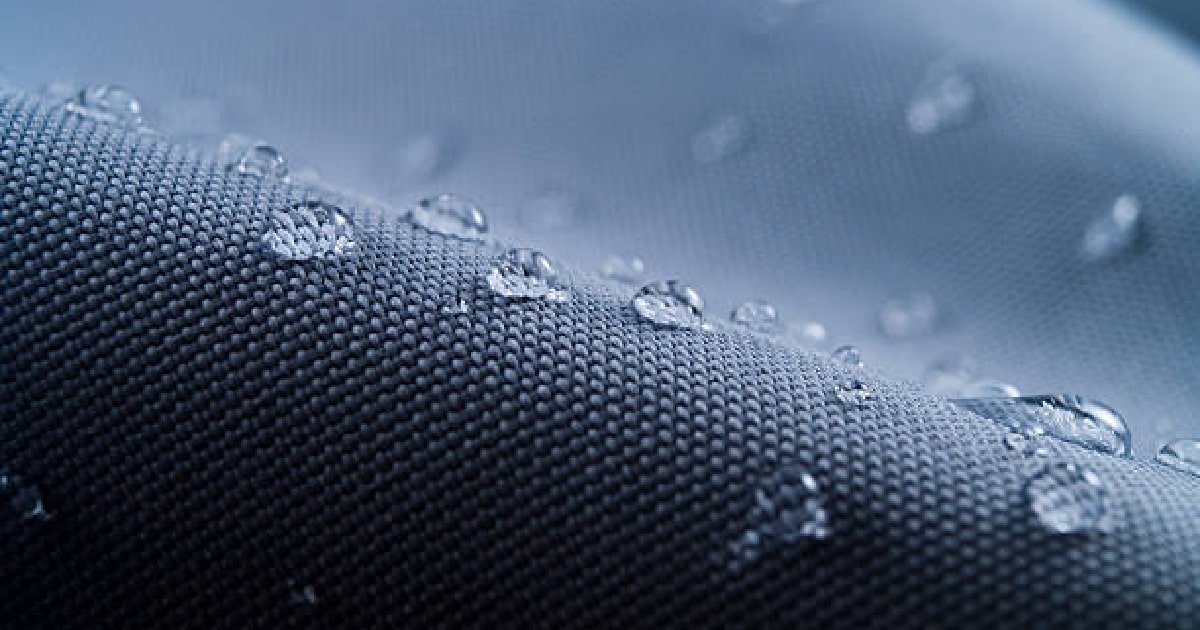
Being a biproduct of petrochemicals, nylon fiber is naturally resistant to water. Which makes it an ideal choice for clothing brands to use this for outerwear. As it resists water, it shoo the moisture away from the skin too, dries real quick and thus known as the perfect product as active wear.
Weight Properties
As nylon has a strong fibre, it does not carry much weight. Even water does not make it heavy. it is a light weight fabric which is a perfect choice for hot climate areas as clothing and upholstery.
Breathable Fiber & Zero Management
Due to nylon fibers being synthetic, strong, and its property of stopping air to ciculate freely, it is not as breathable as other fabrics. People in humid atmospheres may find it uncomfortable to wear and use in homes. But managing nylon as in care and washing is almost like zero management. It does not wrinkle and dries in sun and dryer too! So washing machines are an easy solution.
Types Of Nylon Fabric
Basic Nylon
It s basic type of nylon, nylon 6, and nylon 6,6. Nylon 6 is smooth, softer more elsatic and is commonly used in clothing. carpets and upholstery are nylon 6 product. But nylon 6,6 has heat resistant, stronger and more powerful fiber, that is basically used in idustrial gear and performance gear.
Structured Nylon
A tear resistant ripstop nylon is sued in tents and outdoor fabrics. Ballistic and cordura are common in millitary uniforms as these are more abraison resistant. Oxford, Taffeta and Mesh are light weight smooth and breathable fabrics for everyday use.
Nylon Tulle Fabric
Nylon tulle and nylon tulle embroidry fabrics are delicate ones, these are mostly used in fashion clothings, ballet tutus, and have greater versatality in formal wear. Both types are soft, breathable and designed to resist wear and tear.
Uses Of Nylon Fabric
Industrial Use
Nylon has a vast range of application and uses. Industrial use is one of them. Many industries like tents, ropes, cords, camping equipments and outdoor gear have nylon fiber in them. Most of the Millitary uniforms, gear and bags are prepared with nylon to prolong the wear and tear of the item.
Upholstery
Home decor, upholstery, furniture covers, bed sheets, sofa covers, slipcovers, curtains, cushions, and carpets are usually made with nylon for every day use. Because of the breathability and softness, nylon is perfect in hot climates to use in home decor and manage in terms of cleanliness and washing.
Sportswear
Nylon has made its mark in sports wear because of its water resistant properties. As it repell water and dries very quick, playes consider this fabric to be very useful in hot weathers. As sweat dries quickly and breathability of the fiber allows one to feel lightweight and cold while playing.
Luggage
Nylon fiber strength is proved by the use of nylon in luggage. Not only it makes the luggage light weight to carry but it also strengthens the core of the bag to carry heavy weights in it. Also, fashio industry has swimweaer and hoisery products made of nylon.
How Sustainable Are Nylon Fabrics?
Why Nylon Does Not Decompose
Have you seen tooth brushes, stockings and nylon clothings in the trash ever? And have you ever seen them in any decomposed or desolved from? probably no! That is because nylon is not a biodegradeable component. Instead, it is made from a synthesized polymer of petrochemicals and its biproducts, hence, it does not decay, desolve or break.
A Threat To Planet’s Health
This shows nylon is generally an unsustainable fabric, which consumes high energy of the planet and in return it harms and pollutes the environment intensively. Not only this, but the manufacturing process of the nylon fiber is also highly polluting and unsustainable. This traditional nylon can not be recycled and is not considered sustainable at all!
Is Nylon Fabric Eco Friendly?
Traditional or concentional nylon is made from non renewable resources, i.e. pterochemicals, which is not an eco friendly product. During manufacturing procedure, energy intensive processes are repeatidly in use, which some times releas nitrous oxide. This gas is very harmful for environment as it has many health related issues and it does not desolve in air for decades. Nylon does shed some microplastics when washed so I do not consider this fabric ecofriendly.
Care & Management
unlike other fabrics, nylon is very easy to take care of, that is the main reason this fabric is used in daily wear for home decor and slipcovers. It can handle high heat and sun heat very easily, does not wrinkle when you wash, which makes easy to machine wash it. Colorfastness and lightfastness are very high, and it resist water too.
This means, nylon will dry faster under any conditions of heat and air dry methods. Also, you do not need to clean it daily or weekly as it resist dirt particles and dust very often. This reason is enough to invest in nylon based slipcovers, bed sheets, and other home decor items to save your time and energy.
What is Recycled Nylon Fabric?
Here is the solution for environment concerns that I disclosed to you before. You can invest in recycled nylon to save the planet and to save your health. It is totally sustainable and made with renewable materials.
Recycled nylon is a sustainable product that is the result of reprocessing of waste materials, like nylon discards, nets, and other waste materials. Old waste collection from sea and landfills is the main raw material in this procedure. A new and high quality fiber is here with the 100% properties of sustainability and almost nor risk to planet earth.
Conclusion
Nylon is an unsustainable fabric that provides strength and abraison resistant properties to the fiber, which is the new demand for longer wear and tear requests. It is used in many fields like millitary, home decor, outdoor gear, camping equipments along with tents and ropes and cords.
As we are mostly talking about home decor solutions and tips, we can see nylon in that light too! Slipcovers, bedsheets, table covers, curtains, carpets and decorative items are mostly prepared with nylon fiber to provide strength, durability and abraison resistance.
Frequently Asked Questions
Synthetic fibers does not attract any hair or dust particles like natural fibers, like cotton and wool. Polyester, nylon can be considered hair resistant and can be used as slipcovers or sofa covers to protect them against pet hairs.
No, traditional nylon is not environment friendly as it is made from non nrenewable sources like petrochemicals and polymers. Actually, it can be very harmful for the environment and for planet earth too!
This is a false statement about synthsized nylon, as it can not decompose till dacades. But yes, recycled nylon which is made from waste material and is decomposable can bebiodegradable. Also, it is environment friendly too!
The cost, susceptibility to hydrolysis, a sensitive behaviour towards Ultra Voilet rays from sun, delicate to high temperatures and extra attractiveness to flames, i.e. it can create fire hazards easily. These all are the disadvantages of non sustainable nylon.